


When it comes to selecting new windows for your home, the material you choose will influence not just the aesthetics but also the performance and longevity of the windows. At Park Lane Windows, we understand the importance of making an informed decision. Here’s a detailed comparison between aluminium and uPVC windows to help you decide which is the best fit for your home.
Durability and Maintenance
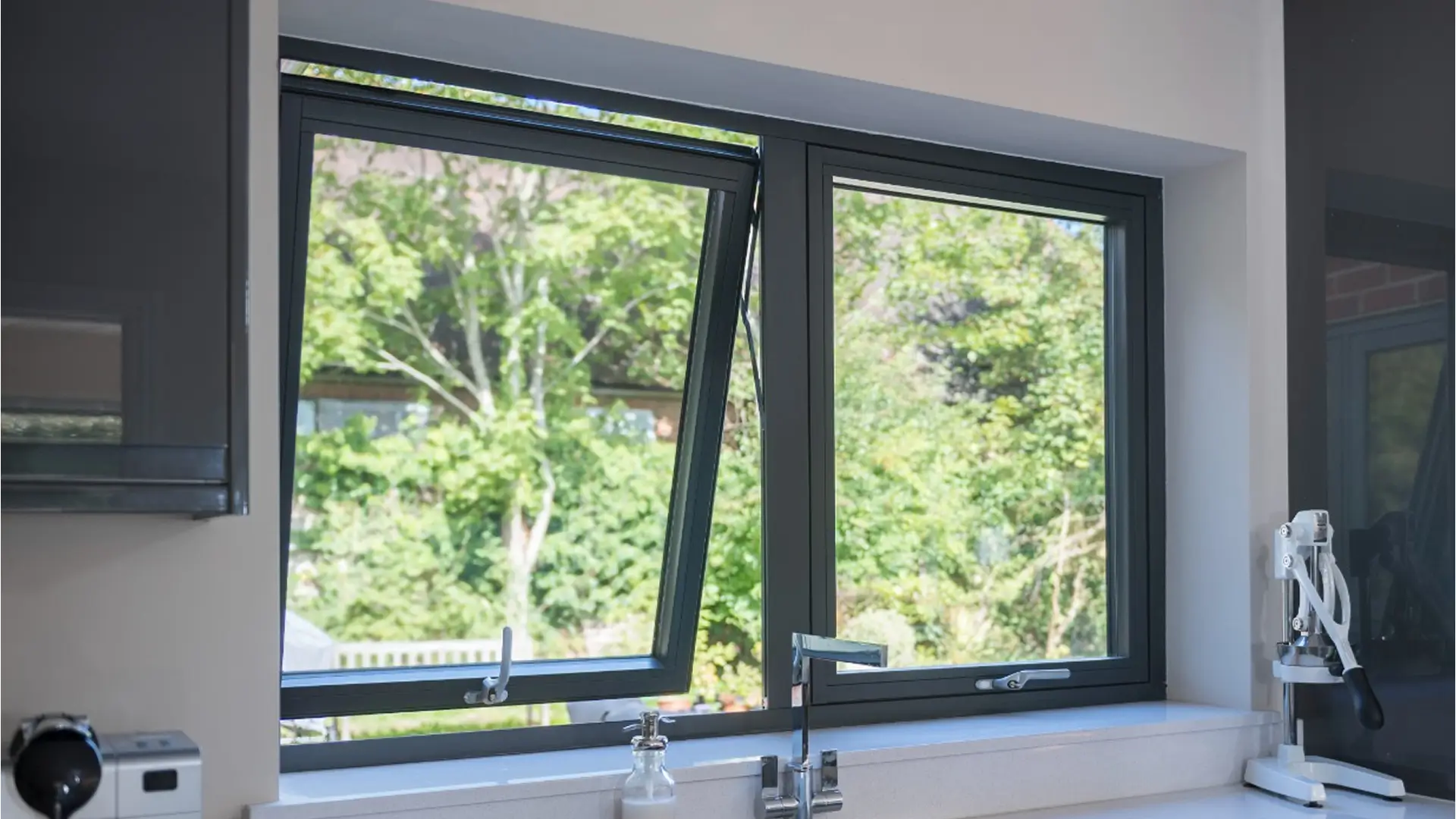
Aluminium Windows: Known for their strength and durability, aluminium windows have a robust frame that is resistant to warping, cracking, and fading. This material can withstand harsh weather conditions without any significant wear. Aluminium windows are almost maintenance-free, requiring just an occasional wipe with a damp cloth to keep them looking fresh.
uPVC Windows: uPVC is naturally resistant to moisture, rot, and rust, which makes these windows long-lasting with minimal maintenance. However, they may become discoloured or brittle due to exposure to extreme sunlight over time. Regular cleaning is necessary to prevent the build-up of grime.
Energy Efficiency
Aluminium Windows: Though aluminium is a conductor of heat, modern aluminium windows come with a thermal break that reduces heat loss. High-quality aluminium windows are equipped with a polyamide bridge that enhances their insulation properties, making them a good choice for energy efficiency.
uPVC Windows: uPVC windows offer exceptional insulating properties. They are equipped with multiple chambers within the frame that trap air, reducing heat transfer. This can significantly lower heating bills, especially in colder climates.
Comparing Aluminium and uPVC Windows
Both aluminium and uPVC windows offer excellent performance, but each material has its own strengths. Comparing their durability, energy efficiency, appearance, cost and environmental impact can help you choose the best option for your home.
| Feature | Aluminium Windows | uPVC Windows |
|---|---|---|
| Durability & Maintenance | Extremely strong, resistant to warping, cracking and fading, requiring very little maintenance. | Long-lasting and resistant to moisture and rot, although regular cleaning helps prevent grime and discolouration. |
| Energy Efficiency | Modern thermal breaks improve insulation and help reduce heat loss. | Multi-chambered frames provide excellent insulation and can help lower heating costs. |
| Appearance | Slim sightlines, large glazing areas and a wide choice of colours for a contemporary look. | Available in classic white, woodgrain finishes and various colours, making them suitable for traditional and modern homes. |
| Cost | Higher upfront investment, reflecting its durability and premium finish. | More affordable while still offering excellent performance and value. |
| Environmental Impact | Fully recyclable and one of the most sustainable window materials available. | Can be recycled, although production has a greater environmental impact than aluminium. |
| Security | Naturally strong frames paired with multi-point locking systems provide excellent security. | Highly secure with modern locking mechanisms, although the material is less rigid than aluminium. |
Aesthetics and Design Flexibility
Aluminium Windows: With a slim profile, aluminium frames offer a sleek and modern look. They can be powder-coated in a wide range of colours and finishes, and they support large, uninterrupted areas of glass for maximum light. Their strength also allows for more bespoke shapes and sizes.
uPVC Windows: uPVC windows are typically available in fewer colours, mostly white, though modern advancements have introduced a variety of wood grain finishes and a palette of colours. These windows can be designed to mimic the traditional timber window aesthetic, making them ideal for period homes as well as modern ones.
Cost
Aluminium Windows: Generally, aluminium windows are more expensive than uPVC due to the cost of the material and the manufacturing process. However, considering their longevity and the added value they can provide to a property, they can be a worthwhile investment.
uPVC Windows: These are more budget-friendly and provide excellent value for money. The initial lower cost combined with the thermal efficiency means uPVC windows can be an economical choice in the long term.
Environmental Impact
Aluminium Windows: Aluminium is entirely recyclable and highly sustainable. Recycling aluminium requires a fraction of the energy compared to producing new material, significantly reducing environmental impact.
uPVC Windows: uPVC can also be recycled and reused for producing new frames, reducing its footprint. However, the production process and the components used in uPVC manufacturing are less eco-friendly compared to aluminium.
Security
Aluminum Windows: Very secure due to the inherent strength of the material. They can be fitted with multi-point locking mechanisms to enhance security further.
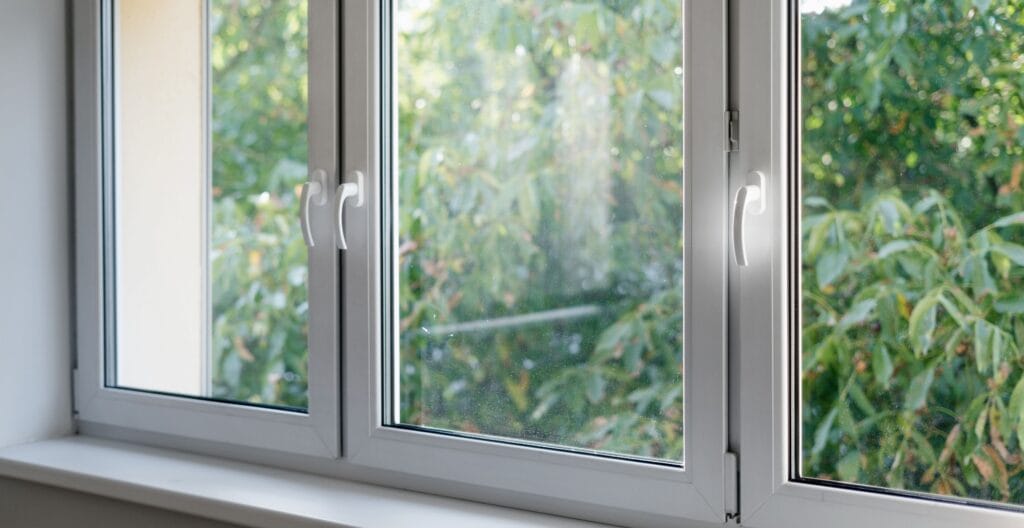
uPVC Windows: They also offer high security, equipped with robust locking systems. However, the frame material is generally less strong than aluminium.
Choose The Right Windows With Park Lane
The choice between aluminium and uPVC windows depends largely on your specific needs, preferences, and budget. If you prioritise longevity, aesthetic flexibility, and eco-friendliness, aluminium may be the better choice. However, if you are looking for cost-effectiveness with still fairly good performance in terms of energy efficiency and maintenance, uPVC could be ideal.
Need more help deciding? Feel free to get in touch with Park Lane Windows. We can provide expert advice tailored to your unique requirements. Learn more about our range of window solutions and get a quote to make an informed choice that you won’t regret.