



Modern conservatories really are a room for all seasons
 Forget old fashioned conservatories that were too cold or too hot. Modern versions really are a room for all seasons.
 Forget old fashioned conservatories that were too cold or too hot. Modern versions really are a room for all seasons.
There was a time when a conservatory consisted of an awful lot of glass and a space that became almost unusable for large parts of the year.
Either too hot or too cold, not welcoming enough when it’s chilly outside and simply sweltering during summer, conservatories became the room no-one dared to enter.
But that was then.
Modern designs, techniques and materials have emerged to solve a whole range of niggling problems that once put many conservatories out of action for anything other than hanging up the washing or storing the outdoor boots.
Today’s up to date, efficient and climate controlled conservatories have become vital living spaces, extra room for the family to spread out, dine, play or socialise, a delightful place to savour the view of the garden in spring, or cosy up on a winter’s evening.
So what makes today’s conservatories so much better?
Up on the roof
Conservatories of the past usually came with a polycarbonate roof, layers of thin plastic with a honeycomb effect that made it strong and durable. Polycarbonate is still a popular feature of today’s conservatories, but is now modernised to come in either bronze or opal finish, and far more efficient than ever.
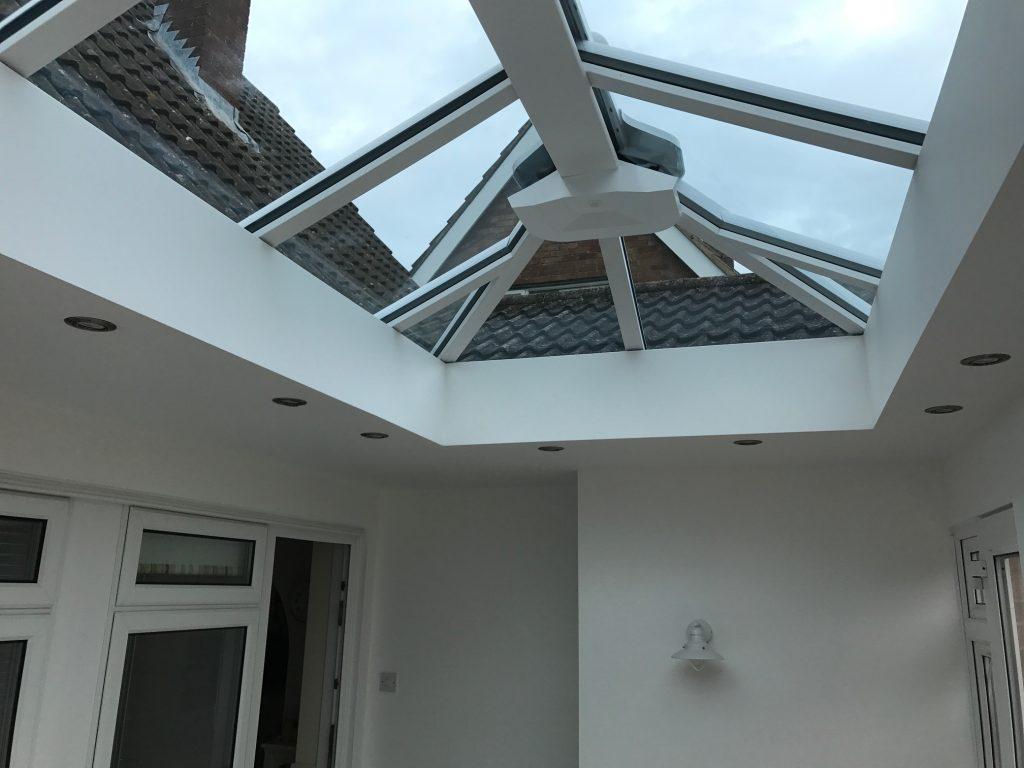
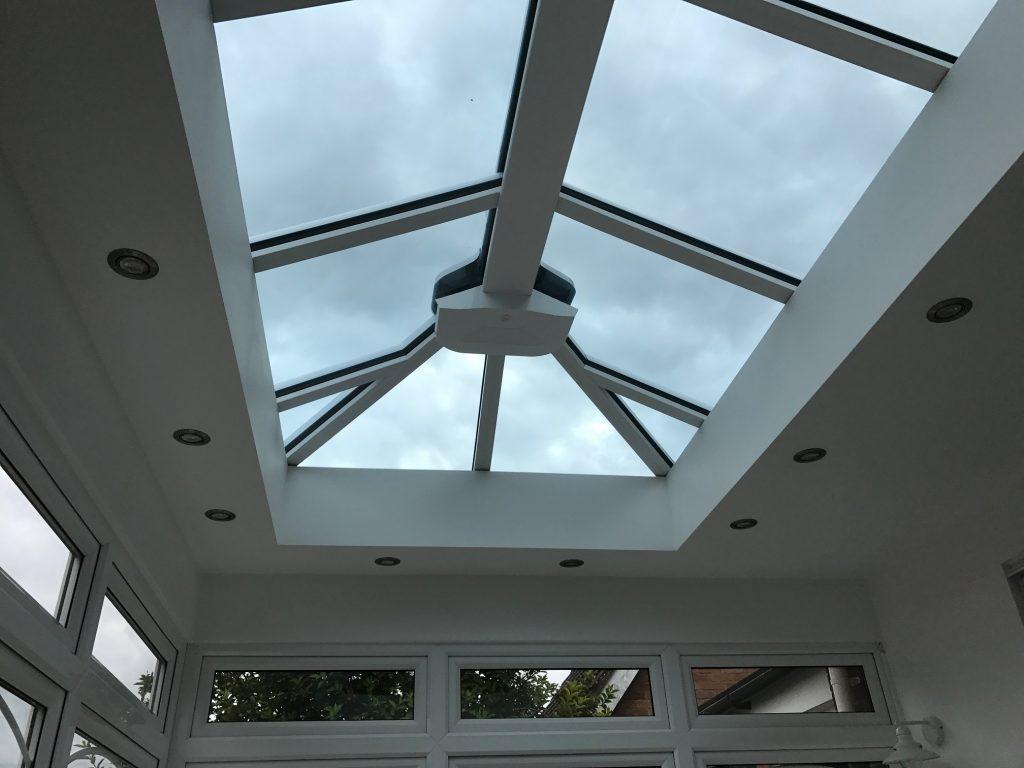
Today’s new conservatory owners aren’t restricted as before – they could opt for a self-cleaning glass roof, or give their conservatory the feel of an ‘extension’ with a solid roof with timber frame, insulation and finished off with slate or tiles.
Climate controlled
Conservatories once suffered from being too hot or too cold. But today’s conservatories are built with energy efficiency in mind.
The latest uPVC and glazing technologies mean they are eco-friendly, with high insulating tinted solar control glass that combines heat reflection and thermal insulation. It means that in winter the glass helps to retain heat and in summer stops it becoming too hot.
Energy efficient low-e insulating glass limits the amount of ultraviolet and infrared light that can pass through without affecting the amount of natural light.
Got the look
Conservatories of old often took their style from the Victorian or Edwardian book of fashion. Today they come in all shapes and sizes, styles and finishes.
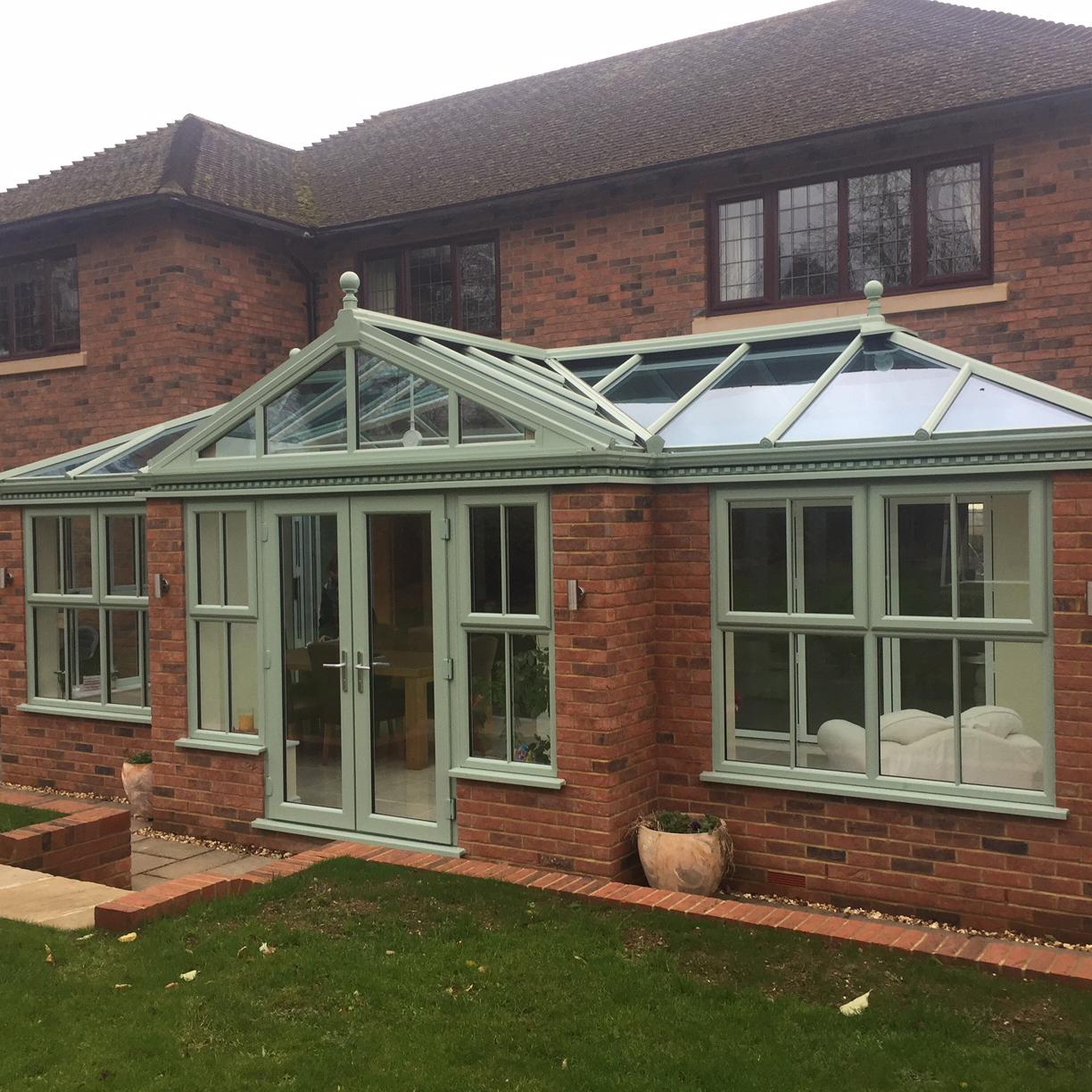
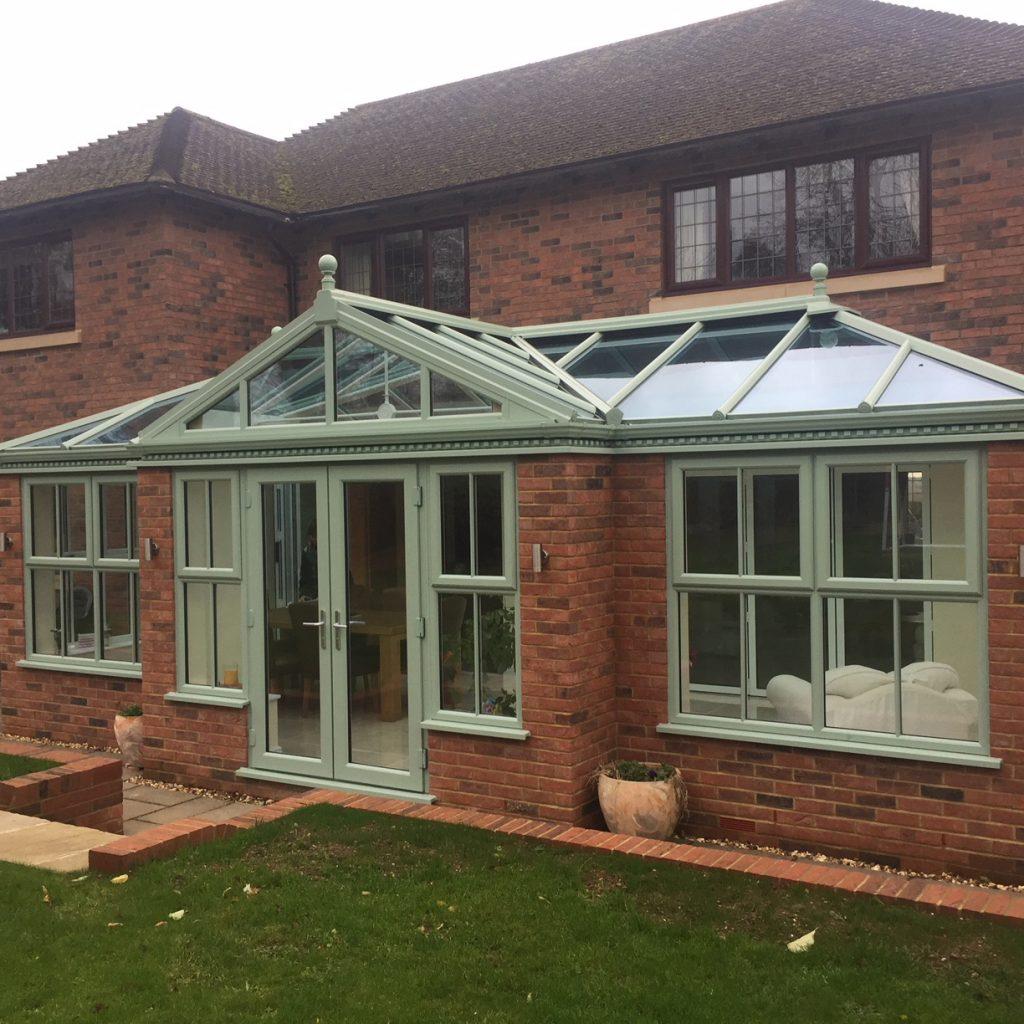
A gable front conservatory – with its spacious rectangular configuration and pitched room – is an elegant and practical alternative, creating space and drawing light into the home.
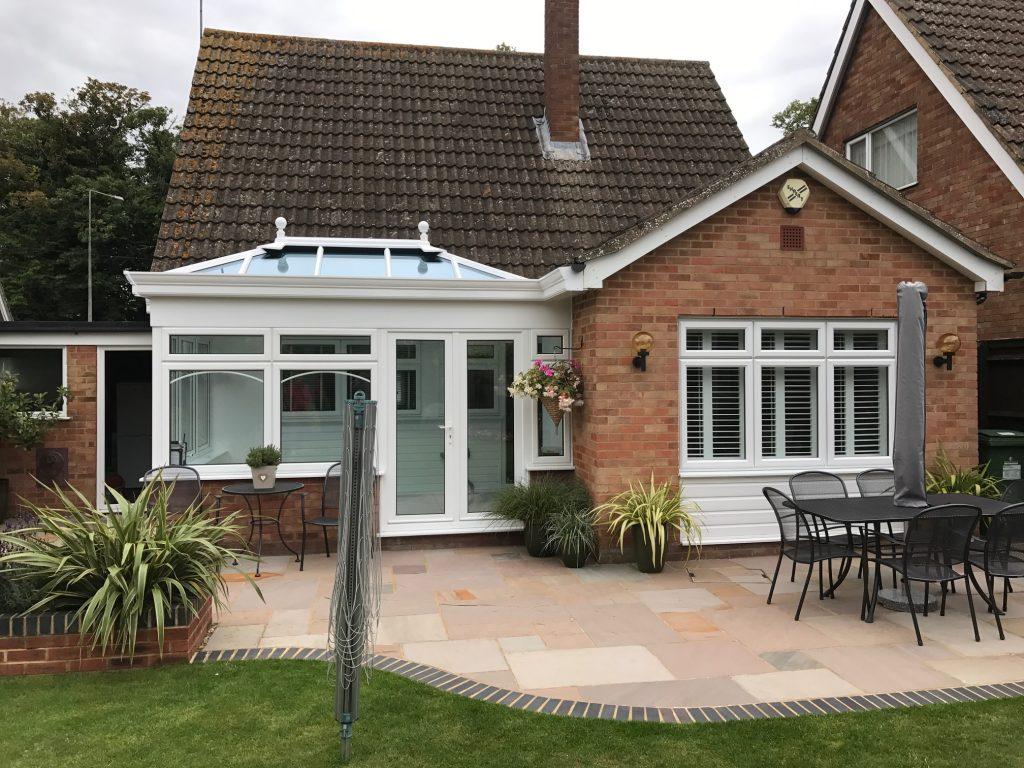
While P-shaped conservatories open out to provide a wider space at one end, almost creating two separate rooms.
Orangeries are a popular alternative to conservatories, more structured and often with roof beams, they typically feature a “lantern” style glass or polycarbonate roof to bathe the room in light. You can build in thermal efficient panels (in a range of colours) to suit your style and help save on fuel costs.
A full rainbow of possibilities
While once white was the default for all conservatories, now they can be just about any colour your mind can stretch to – inside and out. The options for both doors and panels are extensive, and there’s even the option to have a conservatory coloured on the outside (to match the colour scheme of your house) and white on the inside.
Through the door
Conservatory doors have evolved too. Modern designs mean you can throw open bi-folding doors to completely open up your conservatory and bring the garden in. Sliding patio doors and French doors – usually two doors which open outwards – now come in a range of finishes to complement your décor and home.
We have been helping homeowners improve their properties by adding space and style since the 1980s.
Like modern conservatories, our expert design and fitting teams have moved with the times to deliver up to date styles, finishes and technology to create a room for all seasons.