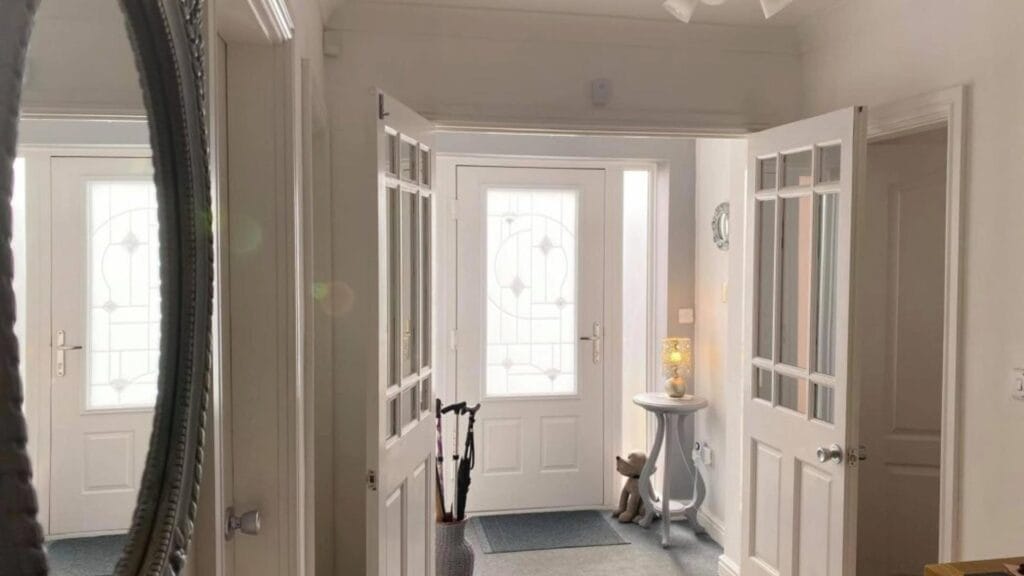




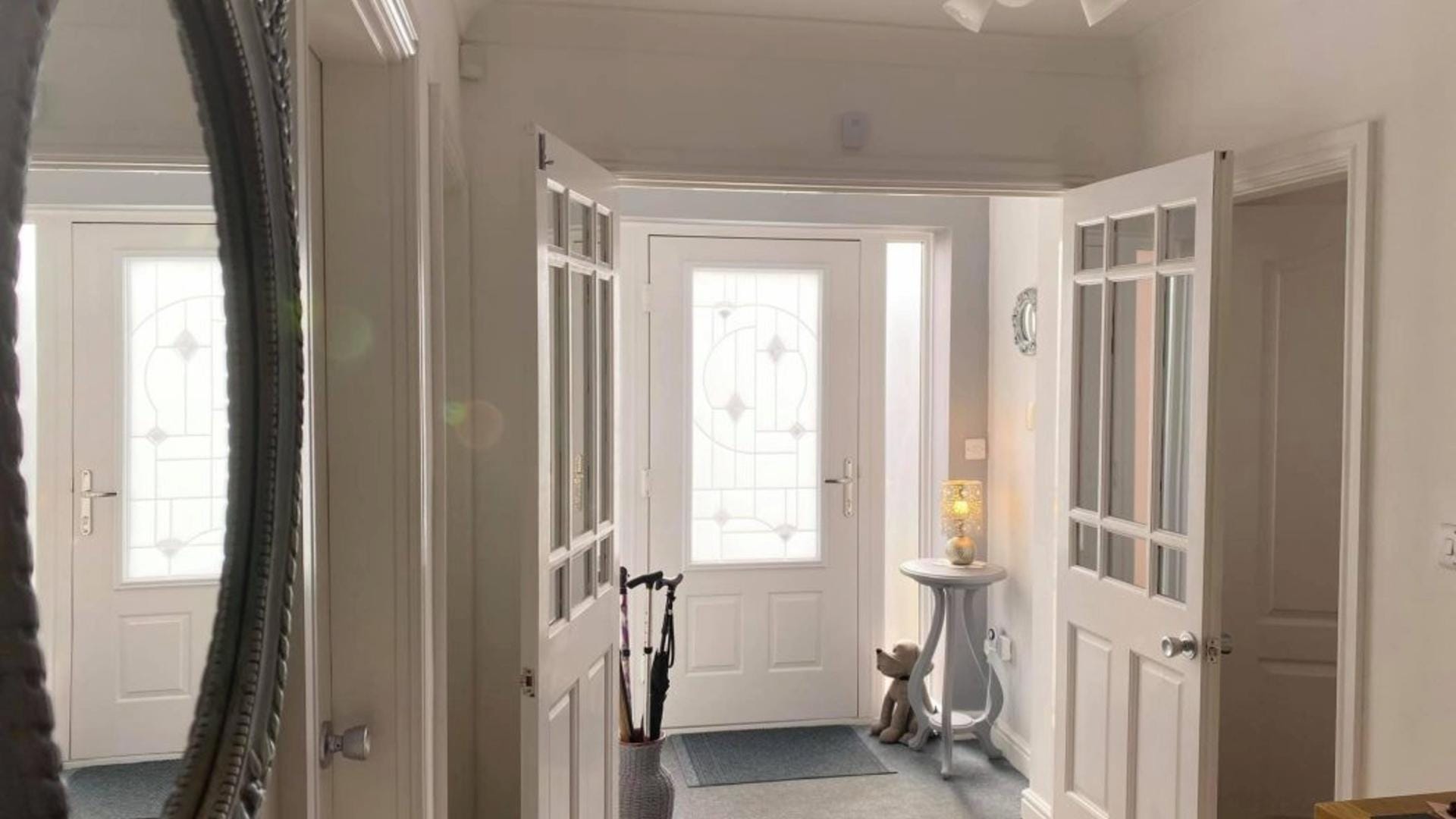
Choosing a new front door involves more than finding a design you like. Your door also affects security, warmth, maintenance, and the overall appearance of your home. Composite, timber and uPVC doors each offer different qualities, so the right choice depends on your property, budget and priorities.
At Park Lane Windows, we help homeowners understand the practical differences before making a decision. Here is how the three materials compare.
What Are Composite Doors?
Composite doors are manufactured using several materials, with each layer serving a particular purpose. This construction is designed to provide strength, insulation, and resistance to everyday weather conditions while retaining the appearance of a traditional entrance door.
Our composite doors are available in a wide selection of traditional and contemporary styles. Homeowners can choose from different colours, decorative glazing options and door furniture, making it easier to find a design that suits the character of the property.
The durable outer surface requires little maintenance and does not need regular painting. Cleaning the door with warm water and a soft cloth is usually enough to keep it looking smart. Composite doors also offer good thermal performance, although the precise level of insulation will depend on the chosen design, glazing and installation.
How Do Timber Doors Compare?
Timber remains a popular choice for period homes, cottages and properties where natural materials are an important part of the design. Every piece of wood has its own grain and texture, giving timber doors an individual appearance that manufactured materials interpret rather than reproduce exactly.
Timber can also be repaired, repainted or refinished over time. This gives homeowners the freedom to change the colour and refresh the surface when required. For those who enjoy maintaining their property, this can be a worthwhile advantage.
The main consideration is upkeep. Timber responds to changes in moisture and temperature, so it may swell, contract or move as the seasons change. Regular inspection and surface treatment can help protect it from weather damage. The quality of the timber, construction and finish will all influence its durability, security and thermal performance.
What Can Homeowners Expect From uPVC Doors?
uPVC doors are widely chosen for their straightforward maintenance and accessible pricing. They are resistant to rot and do not require painting, making them practical for busy households or rental properties.
A uPVC entrance door can provide reliable insulation and security when fitted with suitable glazing, reinforcement and locking hardware. It can also be a sensible option for a back door, side entrance or utility room, where ease of care may take priority over a heavier appearance.
Compared with composite and timber doors, uPVC designs may have less visual depth. Colour, panel and glazing choices are available, but homeowners seeking the substantial feel of timber or composite construction may prefer to compare samples before deciding.
Security & Thermal Performance
Security depends on the complete door set rather than the material alone. The frame, hinges, glazing, locking system and standard of installation all contribute to how well a door protects the home.
Composite doors are known for their solid construction and robust feel. Timber can also provide excellent security when it is made to a high standard and fitted with appropriate locks. uPVC doors commonly use multipoint locking systems, with reinforcement adding further strength.
All three materials can help reduce draughts when they are correctly measured and installed. Composite doors are designed with insulation in mind, while timber has natural insulating properties. Modern uPVC frames also contain chambers that help limit heat transfer. Any glazed sections will affect performance, so it is worth considering the whole specification rather than the door material in isolation.
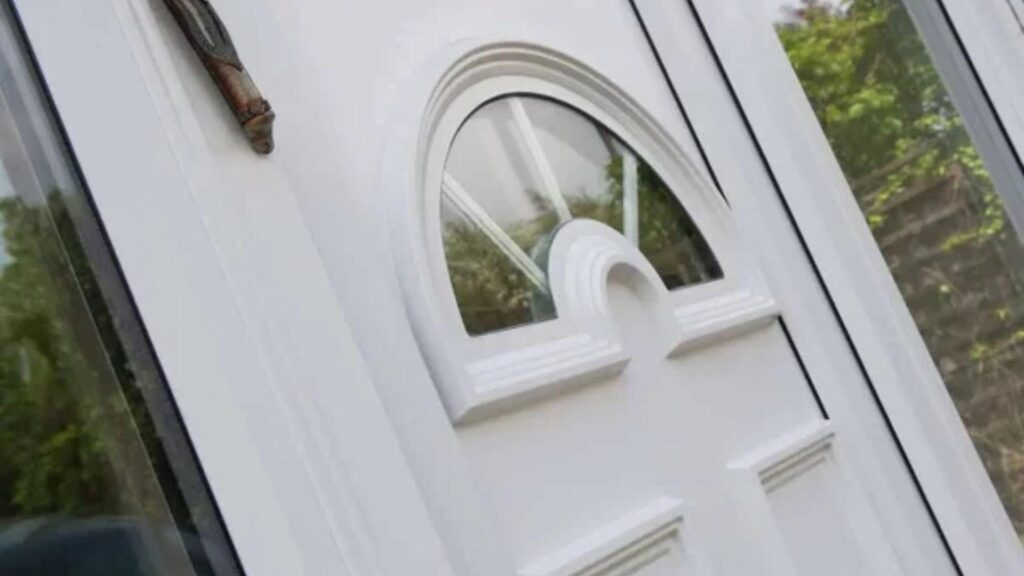
Maintenance & Cost
uPVC usually sits at the more affordable end of the market and has minimal maintenance requirements. Composite doors often have a higher initial price, reflecting their layered construction, broad design choice and durable finish. Timber costs vary considerably according to the type of wood, craftsmanship and finish, with ongoing treatment adding to long term ownership costs.
The most suitable option will depend on how much maintenance you are comfortable with, the style of your property and the amount you plan to spend.
Compare Options with Park Lane Windows
A timber door may suit a homeowner who values natural character and is happy to maintain it. uPVC can work well where simple care and budget are key considerations. Composite doors offer another balance of design choice, insulation, strength and limited upkeep.
If you would like to compare colours, glazing and entrance door styles, get in touch with Park Lane Windows. Our team can discuss your requirements and help you get a quote based on your home and preferred specification.